
Spray Foam Insulation in Ashland City, TN
Spray foam insulation in Ashland City, the Cheatham County seat. Crawl spaces, attics and rim joists in the Cumberland River bottoms. Call (615) 492-9376.
Ashland City is about 20.7 miles from our shop in Burns, over in Cheatham County. As the county seat it is a regular stop for us, not an occasional trip.
Call (615) 492-9376 or request an estimate.
The River Bottom Shapes Every Job in Ashland City
You cannot understand insulation work in this town without looking at a map first.
Ashland City sits in bottomland on the northeast bank of the Cumberland River, a few miles upstream from where the Harpeth River runs into it. The Cumberland cuts Cheatham County from northwest to southeast, and the Harpeth marks the western edge of the county's central stretch. The town was planted here deliberately, created in 1856 as the seat for the new county and incorporated in 1859. Bottomland is good for founding a town. It is hard on the underside of a building.
A house in a river bottom lives with moisture from below. The ground holds water, the air above it stays humid, and a vented crawl space invites all of it up into the floor system. We see the same pattern repeatedly here: floor joists with a dark patina of long dampness, insulation that fell down years ago, and a musty smell the owner has stopped noticing. Closed-cell spray foam on the crawl space walls and rim joist, usually as part of a full crawl space encapsulation, is what actually ends that cycle.
The town also has an industrial memory that explains some of its older building stock. In 1835 Samuel Watson set up a gristmill and powder mill along Sycamore Creek, just north of town. That mill grew into one of the largest powder mills in the South, big enough to become a target during the Civil War, and it kept operating under different owners until 1904. Mill towns build worker housing, and some of Ashland City's older homes trace back to that era. Those houses have the crawl spaces and attics you would expect from their age.
Newer building here tends to climb out of the bottoms and onto higher ground, which changes the job from moisture control to ordinary air sealing and attic work. We treat each property on its own ground, literally.
How We Pick the Foam on an Ashland City Job
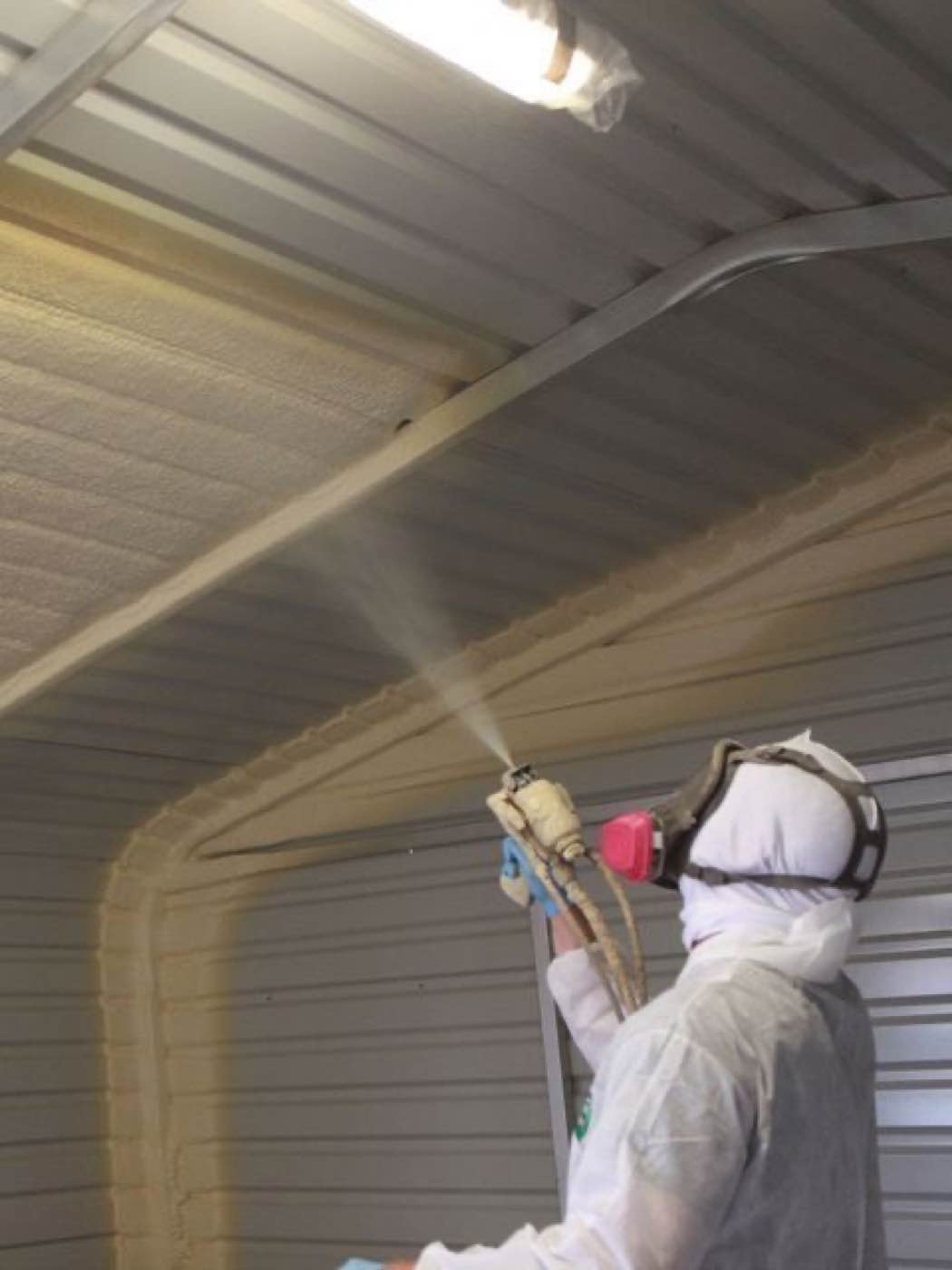
Closed-cell foam is the workhorse in a river town. It is dense, it carries strong insulating value per inch, and vapour does not move through it the way it does through softer products. Crawl space walls, rim joists and any surface that sees damp air get closed-cell. On bare metal it also stops condensation, which matters for the shops and outbuildings around town.
Open-cell foam is softer and expands much further. It fills big cavities economically and deadens sound well. Attic rooflines and interior walls are where it earns its keep, in places where vapour control is not the question.
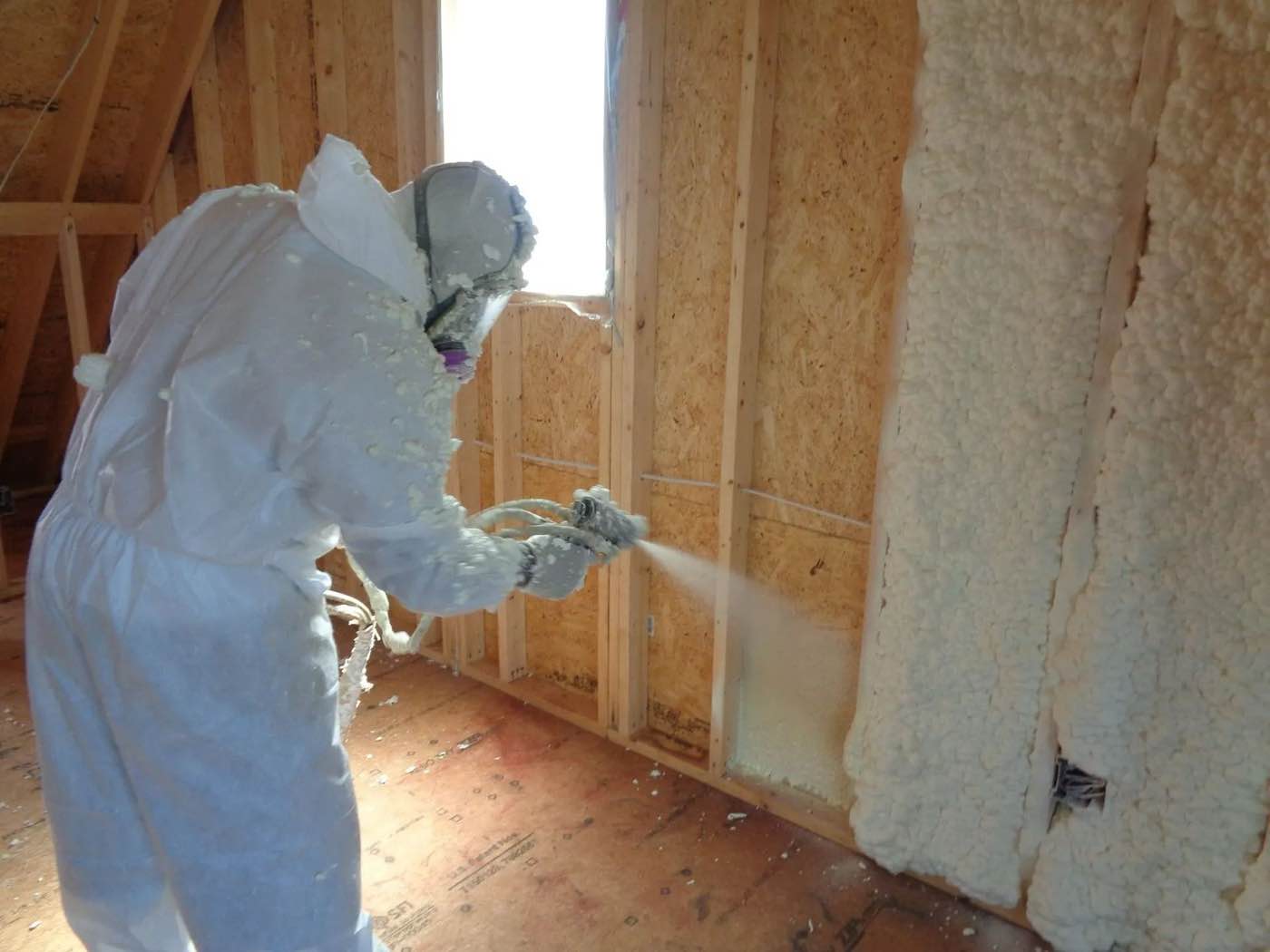
The decision is made per assembly, not per house. A single Ashland City job often uses closed-cell under the floor and open-cell at the roofline. See how we approach residential spray foam for the longer version.
Where It Pays Off First in Ashland City
- The crawl space and rim joist. Bottomland ground keeps feeding moisture upward until somebody seals it off. This is first on most houses near the river.
- The attic plane. Sealing the leaks at the ceiling does more than adding depth ever will on its own.
- Older in-town homes. Mill-era and mid-century houses usually have fallen or missing floor insulation and bare band joists.
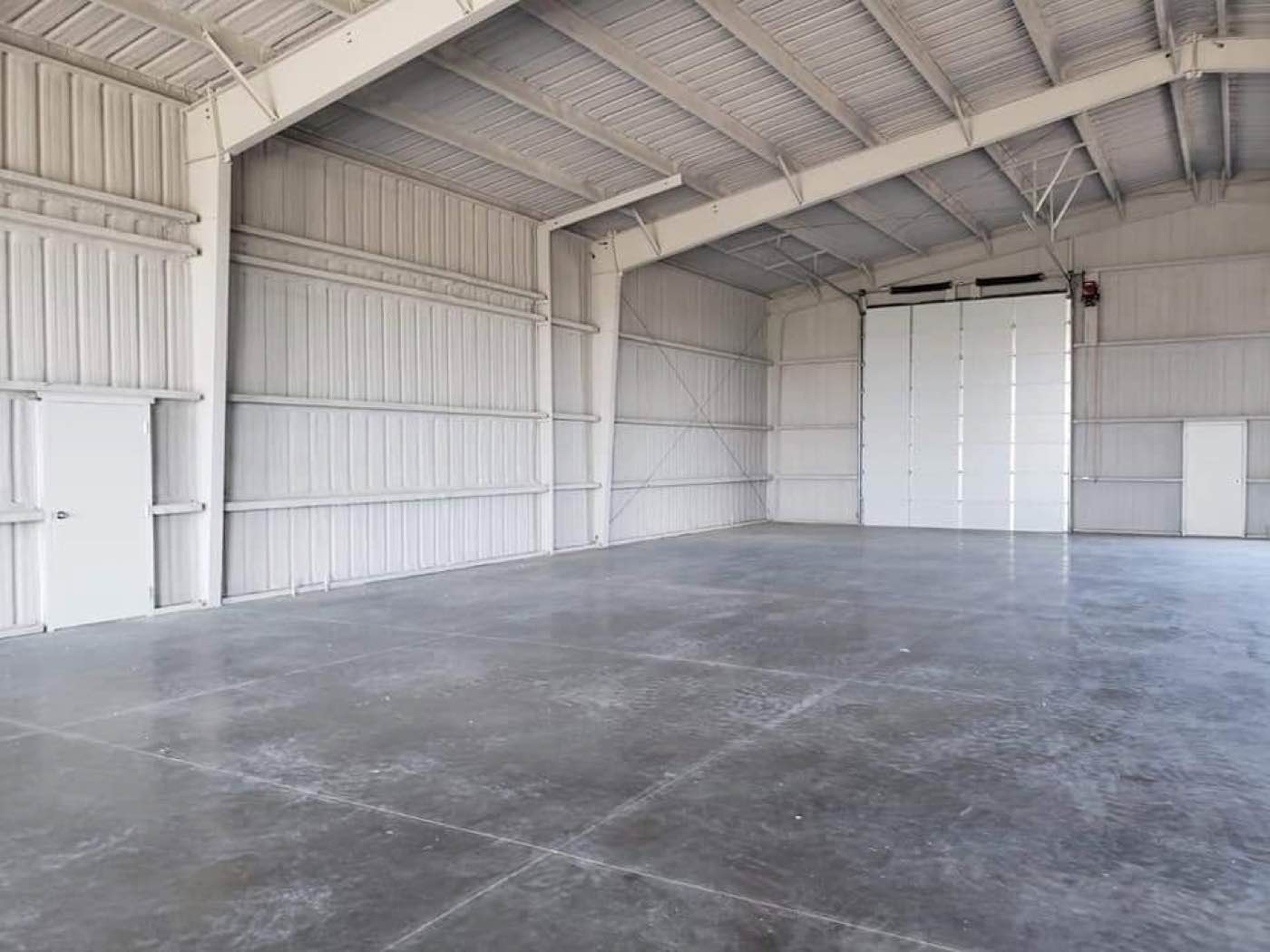
- Metal shops and outbuildings. Closed-cell on bare steel stops the drip and stiffens the panels.
- Rooms over garages and porches. These leak air at every side and show it in the power bill.
Why Installation Quality Matters Here
Spray foam is manufactured on site, in the truck, at the gun. The two components have to arrive at the surface at the right temperature and the right ratio, and the pass thickness has to suit the cavity. Miss any of that and the foam either never fully cures or shrinks off the framing within a season or two.
There is no patching bad foam. It gets cut out by hand, and the job starts over at twice the cost. In a damp crawl space on a river bottom, a failed foam job also hides the moisture problem it was meant to solve. Use a crew that sprays every day, and ask to see the written scope before anyone pulls a hose into your house.
Serving Ashland City and Cheatham County
Our shop is at 2715 Church St Ste B, Burns, TN 37029. City and Cheatham County sits well within the area we work every week. Nearby communities we also serve include Chapmansboro, about 5 miles away, Pegram, about 12 miles, Coopertown, about 12.5 miles, and White Bluff, about 14.4 miles.
See our crawl space encapsulation work, blown-in insulation, fibreglass batt insulation, or the full service area.
Ashland City Insulation FAQs
Get Your Free Estimate
Free to ask, free to think about.
Call (615) 492-9376 or request an estimate. We will tell you what we would do, what we would leave alone, and what it is worth doing first.