
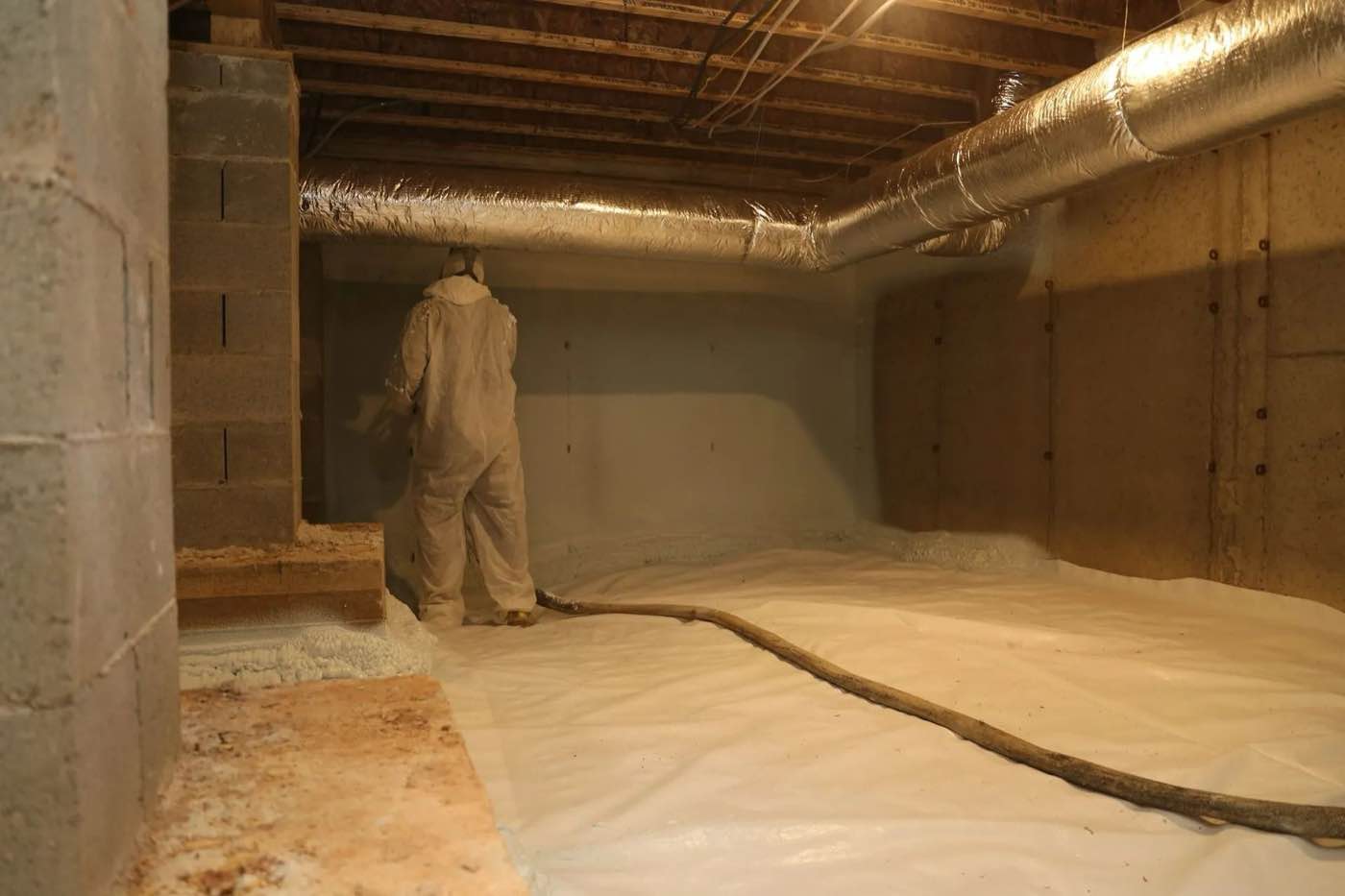
Crawl Space Encapsulation in Coopertown, TN
Crawl space encapsulation in Coopertown and Robertson County. Vapour barriers, drainage and conditioning near the Red River bottoms. Call (615) 492-9376.
Coopertown is about 33 miles northeast of our shop in Burns, comfortably inside our regular working area. We run into Robertson County often enough that a Coopertown estimate is a normal week for us.
Call (615) 492-9376 or request an estimate.
What We Actually Find Under Coopertown Homes
Coopertown took its name from work, not from a person. In the early years of Robertson County, whiskey and barrel production supported cooper shops here, turning out barrels for the mills along the Red River. That tells you two useful things about the ground: the timber was here, and the water was here. The river and its feeder creeks shaped where people built, and they still shape what we find underneath those buildings.
Much of Coopertown sits on gently rolling ground that drains toward the Red River bottoms, and bottom land holds moisture. A crawl space over soil that stays damp through spring feeds moisture straight up into the floor system for months. The first signs are soft spots in a floor or a musty smell in the hallway, and by the time they show up, the joists have usually been wet for a long while.
The town only incorporated in 1996, after residents organised against a proposed landfill. That matters in a practical way: much of the housing was built as rural property, on septic, on a well, with a crawl space vented to the outside and then forgotten. Vented crawl spaces were standard practice for decades. We now know they pull humid summer air straight under the house, where it condenses on the cooler surfaces and soaks the wood.
Coopertown has around 4,480 people across a largely rural town, so the housing is mixed. Older farmhouses on piers sit near newer homes on block foundations. The older ones tend to have low clearance, hanging fibreglass batts and bare earth. The newer ones often have a thin liner that was stapled down at closing and has been torn or displaced since. Both need the same thing: a sealed system, done once and done right.
How an Encapsulation System Actually Works
Encapsulation is not one product. It is four jobs that have to happen in the right order.
The liner is the visible part. We fit a heavy reinforced vapour barrier across the floor and run it up the foundation walls. Seams get taped and sealed, piers get wrapped, and the liner is fastened to the wall so it stays put. A liner that is not sealed at the edges is a tarp, not a system.
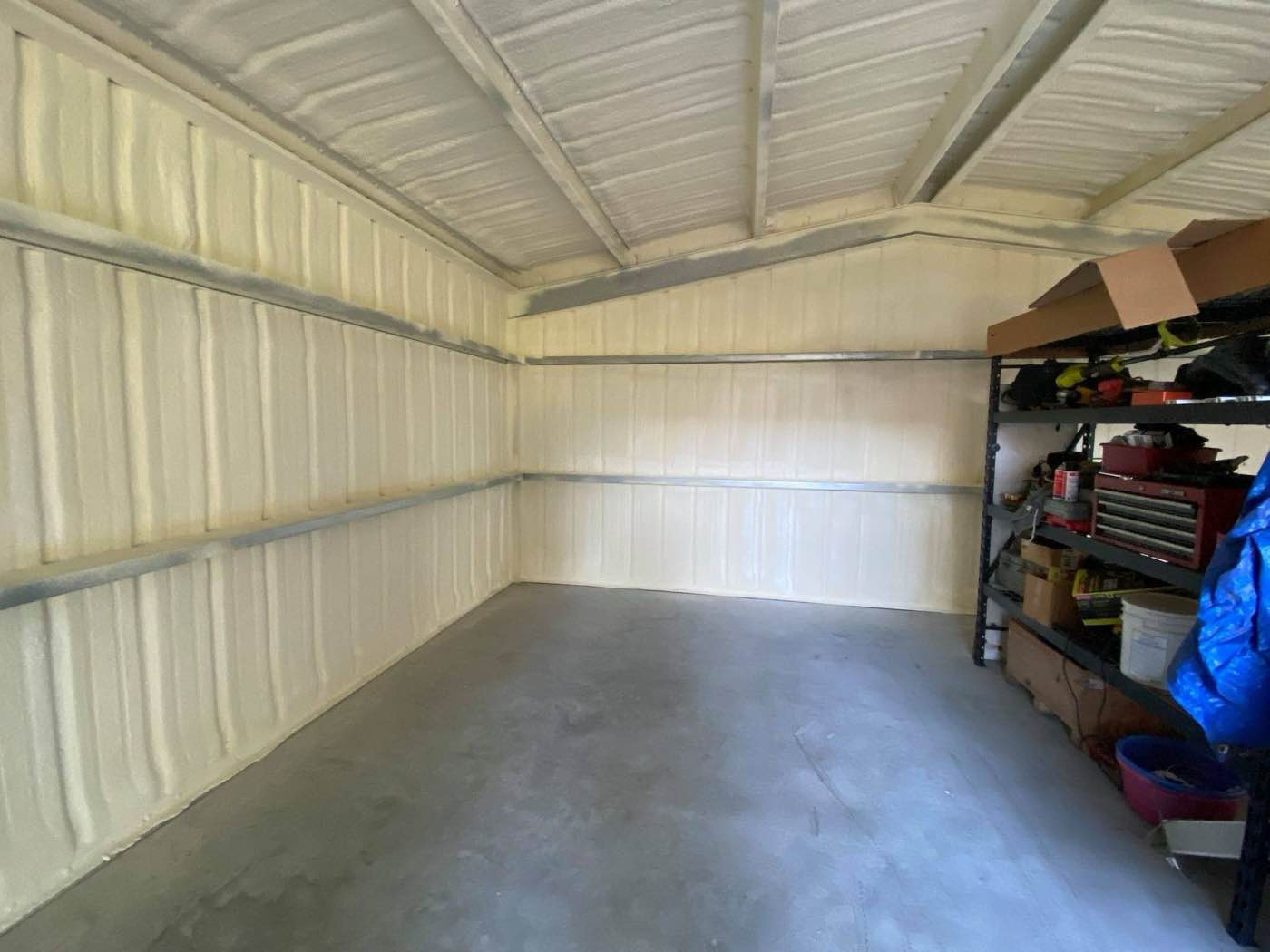
Sealing comes next. Every vent gets closed off. Gaps at the rim joist, around pipes, and at the access door get foamed or gasketed. The point is to stop outside air treating your crawl space as part of the outdoors.
Drainage is dealt with before the liner goes down, not after. If water enters the space, it has to be collected and moved out, whether by grading, a sump, or a drain. Covering standing water with a liner hides the problem and sets up a failure.
Conditioning finishes the job. A sealed crawl space still needs its air managed, either with a little conditioned air from the house system or a dedicated dehumidifier. That keeps the wood dry through August, when the damage is actually done in this part of Tennessee.
Where It Pays Off First in Coopertown
- Homes near the Red River bottoms. Ground that stays damp through spring means a crawl space that never fully dries. These benefit first and most.
- Older farmhouses on piers. Bare earth, hanging batts and open vents are the standard picture. Full encapsulation changes the whole feel of the house above it.
- Newer homes with a builder-grade liner. Thin plastic with torn seams does almost nothing. A sealed, reinforced liner is the real fix.
- Houses with cupped floors or a musty smell. Both point at crawl space moisture. Encapsulation stops the source rather than treating the symptom.
- Homes on well and septic. Rural services often mean nobody has looked under the house in years, and an inspection usually finds something worth fixing.
Why the Installation Quality Decides the Result
A crawl space system fails at the details. The seam tape that was not rolled flat. The pier that was wrapped loosely and left a chimney for moist air. The vent that was closed with a piece of board instead of being sealed.
We treat the crawl space as a system, because that is what it is. Every penetration gets sealed, every seam gets taped, and the conditioning is sized to the space rather than guessed at. It takes longer that way, and it is the only way the system holds up through wet springs and humid summers.
Serving Coopertown and Robertson County
Our shop is at 2715 Church St Ste B, Burns, TN 37029. Robertson County sits well within the area we work every week. Nearby towns we serve include Ridgetop, about 11 miles away, Ashland City, about 13 miles, Chapmansboro, about 13 miles, and Cross Plains, about 17 miles.
You can also read about our crawl space encapsulation work, our spray foam insulation service, and the full service area.
Coopertown Insulation FAQs
Get Your Free Estimate
The visit costs you nothing and commits you to nothing.
Call (615) 492-9376 or request an estimate. We walk the building with you, explain what we would do and why, and put it in writing.