
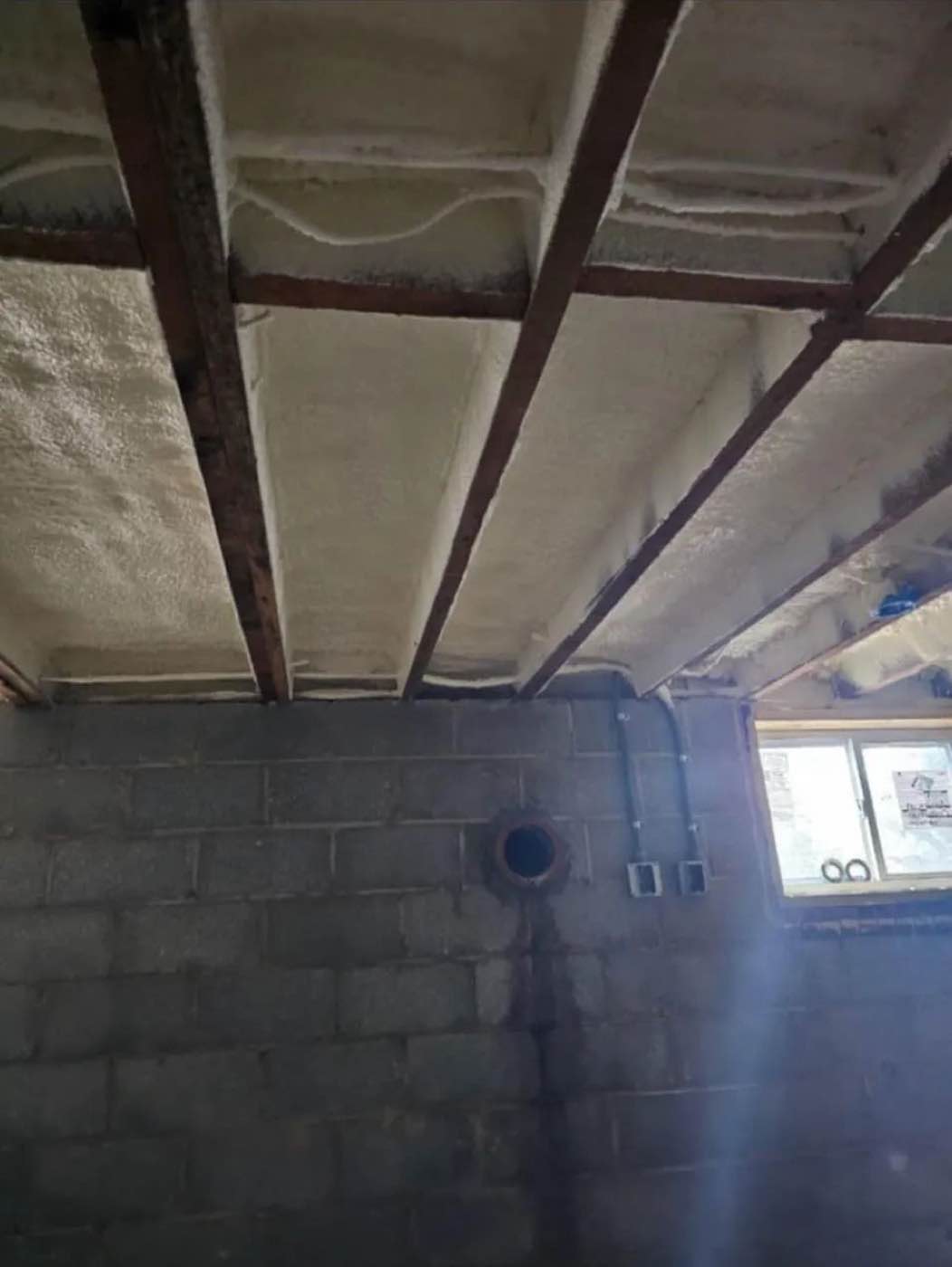
Crawl Space Encapsulation in Summertown, TN
Crawl space encapsulation in Summertown, TN. Liners, vent sealing, drainage and dehumidification for homes along the Saw Creek forks. Call (615) 492-9376.
Summertown sits about 42.6 miles southwest of our shop in Burns, which puts it at the far edge of our normal working radius in Lawrence County. We make the run down regularly, and there is no travel charge for an estimate.
Call (615) 492-9376 or request an estimate.
What We Actually Find Under Summertown Homes
Summertown is unincorporated. It is a census-designated place rather than a town with its own building department, and that shows in the housing stock. What you get instead is a spread of older farmhouses, mid-century block homes, manufactured homes on piers, and stick-built houses put up one at a time on private lots, often by the owners themselves or by local builders working to their own habits rather than a subdivision plan.
A crawl space in Summertown might have a poured stem wall, dry-stacked block, or piers with skirting, sometimes all three under the same roof after decades of additions. Encapsulation has to start with what is actually there, not with a standard kit.
The second thing shaping the work is the water. The community is drained by the North and South Forks of Saw Creek, which run west into the Buffalo River, and the Buffalo runs northwest to the Duck.
A crawl space on a Saw Creek tributary hollow will carry damp soil from spring through autumn, and in a wet stretch it will hold standing water at the low end. Vents that were supposed to dry the space out do the opposite here for most of the year, pulling humid Tennessee air in under a cool floor where it condenses on the joists. We see the same results over and over: fallen fibreglass batts, mould on the underside of the subfloor, cupped hardwood above, and a musty smell that never quite leaves the house.
How an Encapsulation Actually Goes Together
The liner. The vapour barrier is a heavy reinforced liner, not the thin painter's plastic you see stapled down in some crawl spaces. It covers the floor wall to wall, runs up the foundation walls, and every seam is overlapped and taped. Piers and plumbing penetrations get wrapped and sealed individually. The goal is to cut the ground off from the house completely.
Sealing the vents and rim. Foundation vents are closed and sealed from the inside. The rim joist, which is usually the leakiest part of the whole floor system, gets sealed with foam at the same time. Once this is done, outside air stops moving through the space.
Drainage and sump where the ground water calls for it. On the wetter lots along the creek forks, a liner alone is not enough. If water enters the crawl space, it needs somewhere to go. That means interior drainage at the low points and a sump pump with a sealed basin, installed before the liner goes down. We will tell you straight whether your space needs this.
Conditioning the space. A sealed crawl space still needs its air managed. Depending on the house, that is a small duct from the existing system or a dedicated dehumidifier sized for the space. This is what keeps humidity down through a Lawrence County summer.
Where It Pays Off First in Summertown
- Homes in the Saw Creek hollows. If your lot drains toward the North or South Fork, ground moisture is your main enemy and the liner plus drainage is where the money goes first.
- Older farmhouses with dirt floors. Bare earth under a house is a humidity source twelve months a year. Covering it changes the whole house.
- Pier and skirted homes. These are the hardest to keep dry because air moves freely. Sealing and lining makes the biggest single difference here.
- Homes with fallen or sagging floor insulation. The batts fell because the space is damp. Fix the space first, then the floor insulation becomes optional rather than essential.
- Musty smells indoors. If the house smells like the crawl space, the crawl space is part of your breathing air. That is the stack effect, and sealing the floor stops it.
Why Installation Quality Is the Whole Job
A crawl space liner fails at the details. A seam that is not taped peels open within a year. A pier that is not wrapped wicks moisture straight past the barrier. A dehumidifier that is too small runs constantly and never catches up.
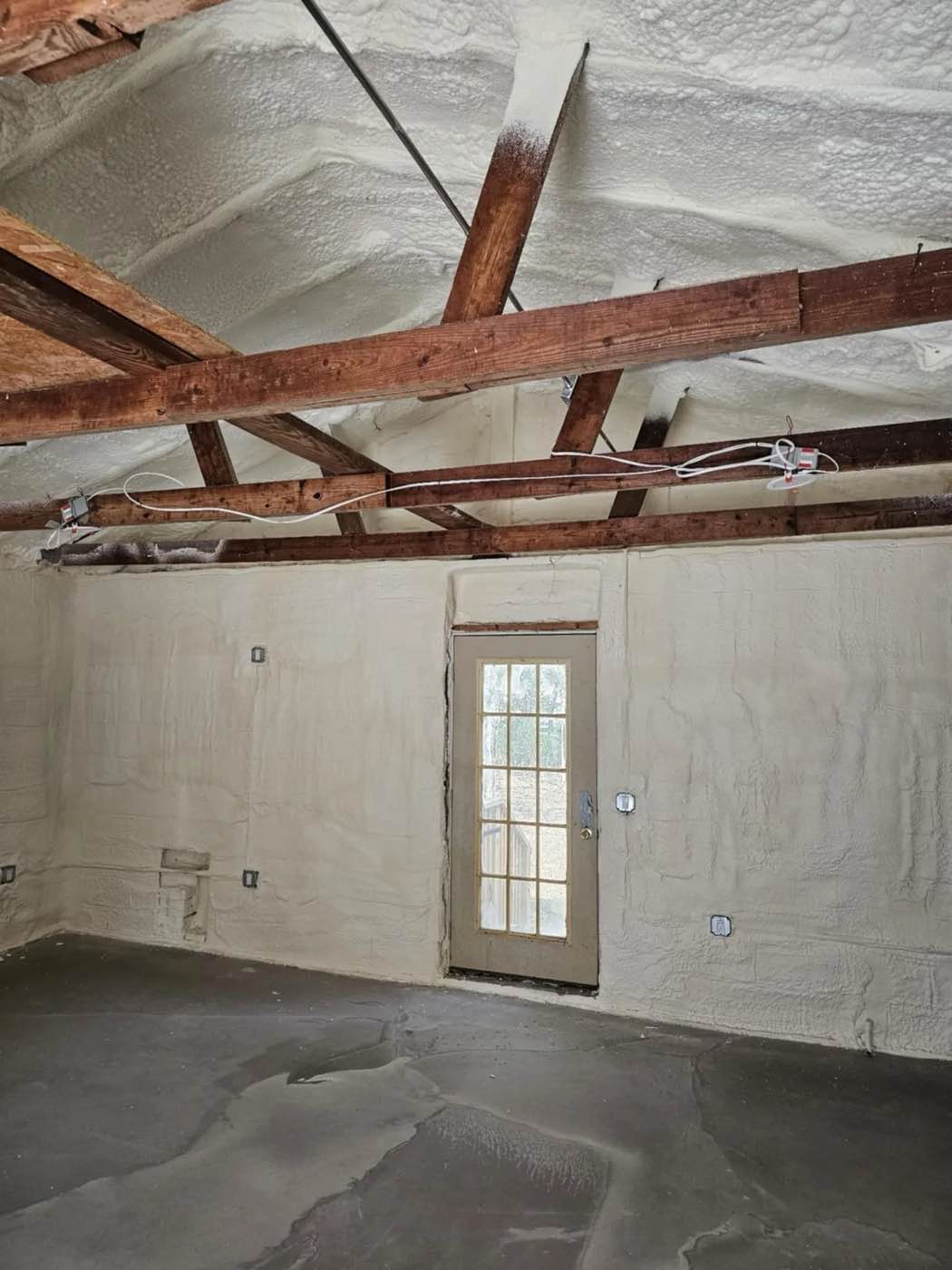
The temptation is to do the easy eighty percent and leave the awkward corners. We photograph the finished space so you can see the parts you will never crawl under to check yourself, and we do the awkward corners first, not last.
Serving Summertown and Lawrence County
We work from 2715 Church St Ste B, Burns, TN 37029, and Lawrence County is on our regular run. Nearby communities we also serve include Mount Pleasant, about 10 miles away, Linden, about 32.2 miles away, Lyles, about 33.6 miles away, and Bon Aqua, about 35.8 miles away.
See our full crawl space encapsulation service, our spray foam insulation work, or the complete service area.
Summertown Insulation FAQs
Get Your Free Estimate
The visit costs you nothing and commits you to nothing.
Call (615) 492-9376 or request an estimate. We walk the building with you, explain what we would do and why, and put it in writing.