
Spray Foam Insulation in Palmyra, TN
Spray foam insulation in Palmyra and Montgomery County. Crawl spaces on karst ground, rim joists, attics and metal farm buildings. Call (615) 492-9376.
Palmyra sits about 28 miles from our shop in Burns, across the line in Montgomery County. It is an unincorporated community, so the work we do there is on farms, river properties and scattered rural homes rather than in any town centre.
Call (615) 492-9376 or request an estimate.
What the Ground Around Palmyra Does to Buildings
Palmyra has no high street and no housing estate you can generalise about. What it has is ground, and the ground decides the insulation work.
The Cumberland River runs past the community, and this stretch of the river has history. In late January 1863, Confederate Major General Joseph Wheeler took position on the Cumberland at Palmyra, intending to stop Union river traffic. The Union simply held its ships, and Wheeler was forced to swing his cavalry division toward Fort Donelson instead. The river was worth fighting over then, and it still shapes the land now. Homes near the bottoms sit in humid air for much of the year, and floors over crawl spaces there pick up moisture from below long before they lose heat through the ceiling.
The second factor is under your feet. Montgomery County lies in a region of well-developed karst topography. Karst means the limestone beneath the county dissolves slowly in rainwater. Caves form, sinkholes open, and water disappears into the ground only to reappear as springs at the foot of a slope. Dunbar Cave is the well-known county example, and Cooper Creek Cave still contains the remains of many saltpeter hoppers, probably mined during the War of 1812. For a homeowner the practical point is this: ground like that does not hold a steady moisture level under a house. A crawl space over karst can stay dry for weeks and then turn damp after heavy rain, because the water arrives from underneath as much as from the sky.
The rest of the land is hilly, wooded and cut by drainages. Most buildings we are called to around Palmyra are older farmhouses on those slopes, plus metal barns and equipment sheds. The farmhouses typically have vented crawl spaces, fibreglass batts sagging away from the floor, and a rim joist that has never been sealed. The metal buildings sweat all winter wherever warm air inside meets cold steel.
Picking the Foam for Karst Country
Closed-cell foam is the dense product. It sets rigid, carries a higher R-value per inch, and does not let water vapour pass through it. On ground that swings between dry and damp with the weather, that vapour behaviour is the whole reason to use it. Crawl spaces, rim joists and floor undersides near the Cumberland bottoms get closed-cell from us as a matter of course.
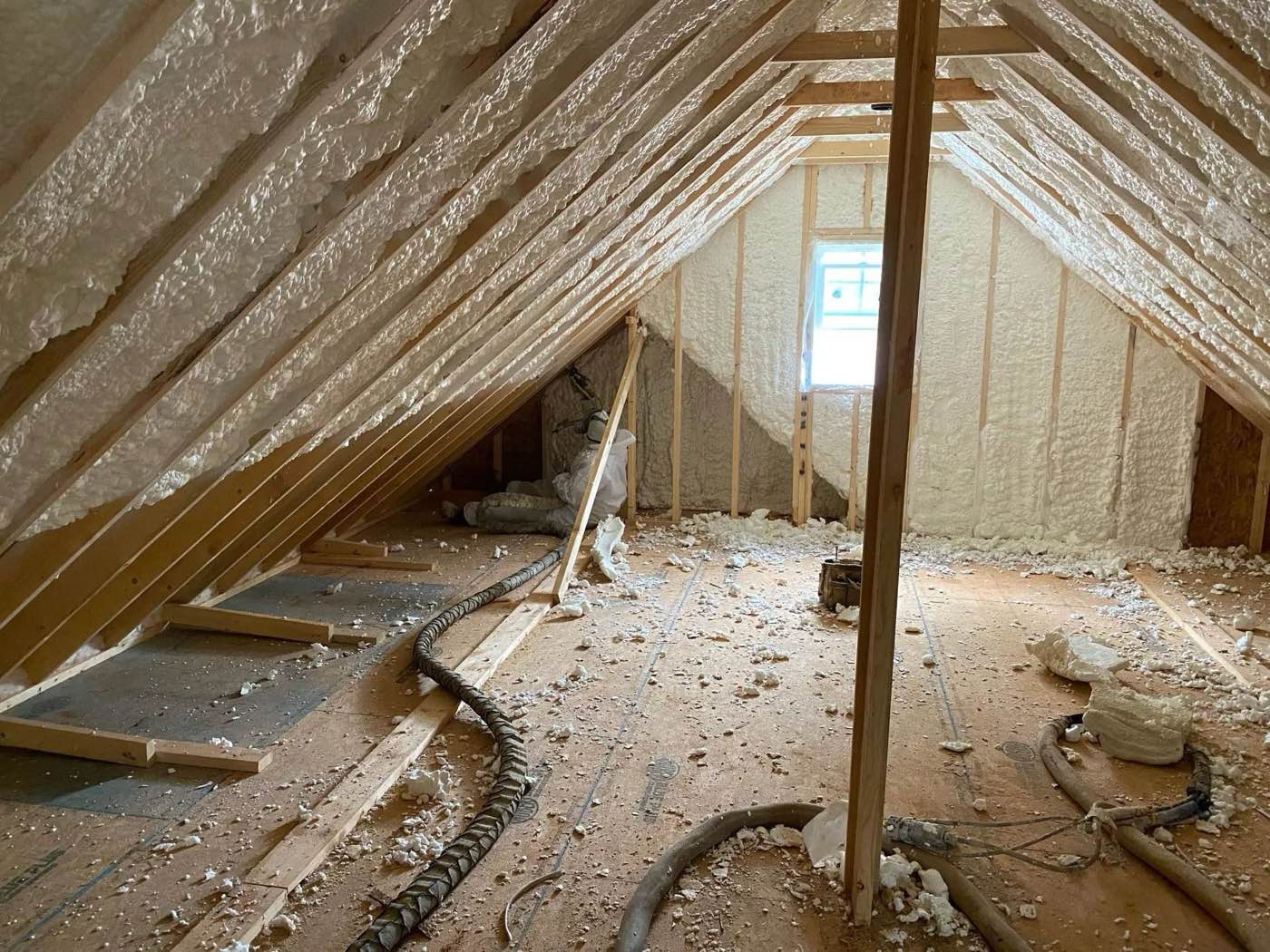
Open-cell is the lighter material. It expands further per pass, stays softer, and deadens sound well. It belongs in attics and interior partitions where vapour movement is not the question. Around Palmyra that usually means the attic plane of the same farmhouse whose crawl space took closed-cell below.
We treat each assembly on its own merits. One property commonly ends up with closed-cell under the floor and open-cell at the roofline, and we will show you the reasoning before we quote anything. Our residential spray foam page explains both products in more detail.
Where It Pays Off First in Palmyra
- The crawl space. Over karst ground or near the river bottoms, sealing and insulating under the floor changes how the whole house behaves. Where moisture is chronic, we pair foam with crawl space encapsulation.
- The rim joist. Older farmhouses almost always have an open rim. It leaks cold air in winter and humid air all summer.
- The attic plane. Stop air movement at the ceiling before adding anything on top of it.
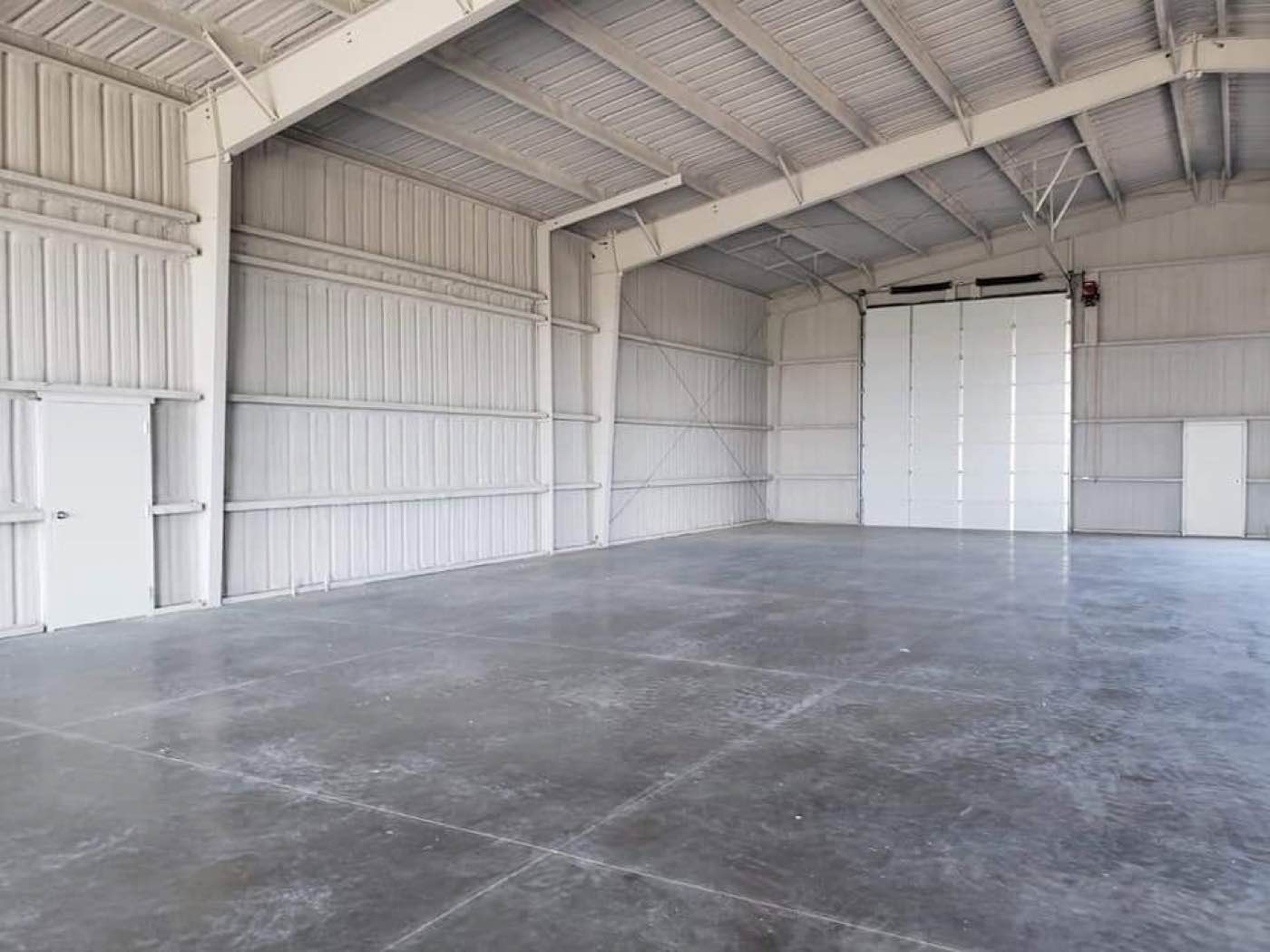
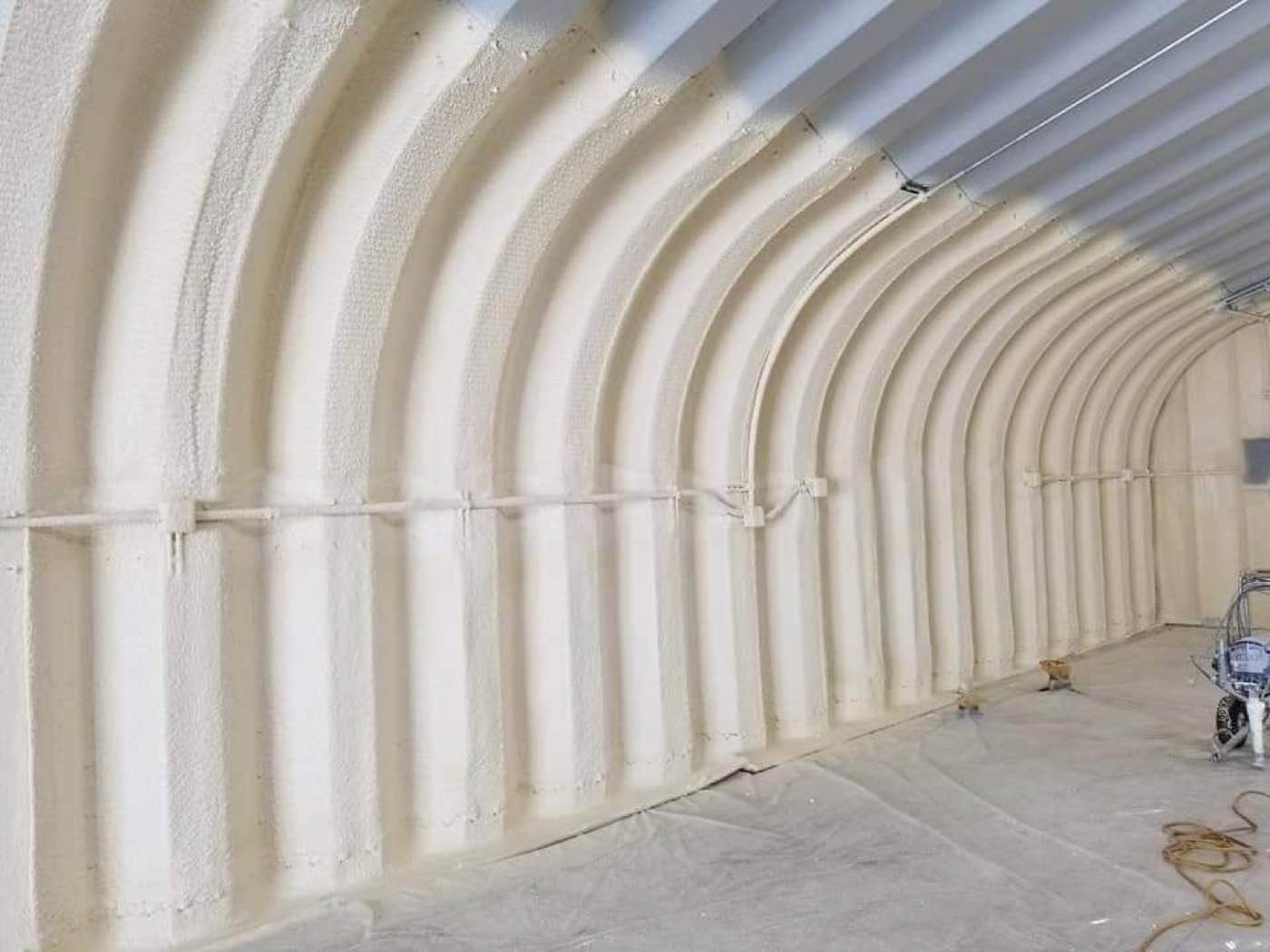
- Metal barns and sheds. Closed-cell on the steel stops condensation forming, which protects whatever is stored inside.
- Floors over porches and exposed bays. Sloping lots leave floors hanging in the wind, and they are quick to fix from below.
Why the Rig Matters More Than the Tin
Spray foam does not arrive in a bag. It is manufactured at the tip of a gun in your crawl space, from two liquids that have to be heated, pressurised and proportioned correctly at that moment. Foam sprayed too cold, too wet or off ratio can stay tacky for years or shrink back off the timbers by the next season.
There is no patching bad foam. It gets cut out by hand, in the dark, at crawl space height. That is the honest argument for using a crew that sprays every working week, on rural ground like this, rather than a general contractor with a hired machine.
Serving Palmyra and Montgomery County
Our yard and rig are at 2715 Church St Ste B, Burns, TN 37029. Montgomery County is close enough that scheduling is rarely the problem. Nearby communities we also serve include Erin, about 14.5 miles away, Oak Grove, KY, about 15.7 miles, Tennessee Ridge, about 17.4 miles, and Lafayette, KY, about 18.1 miles. The full list is on our service area page.
Palmyra Insulation FAQs
Get Your Free Estimate
The visit costs you nothing and commits you to nothing.
Call (615) 492-9376 or request an estimate. We walk the building with you, explain what we would do and why, and put it in writing.