
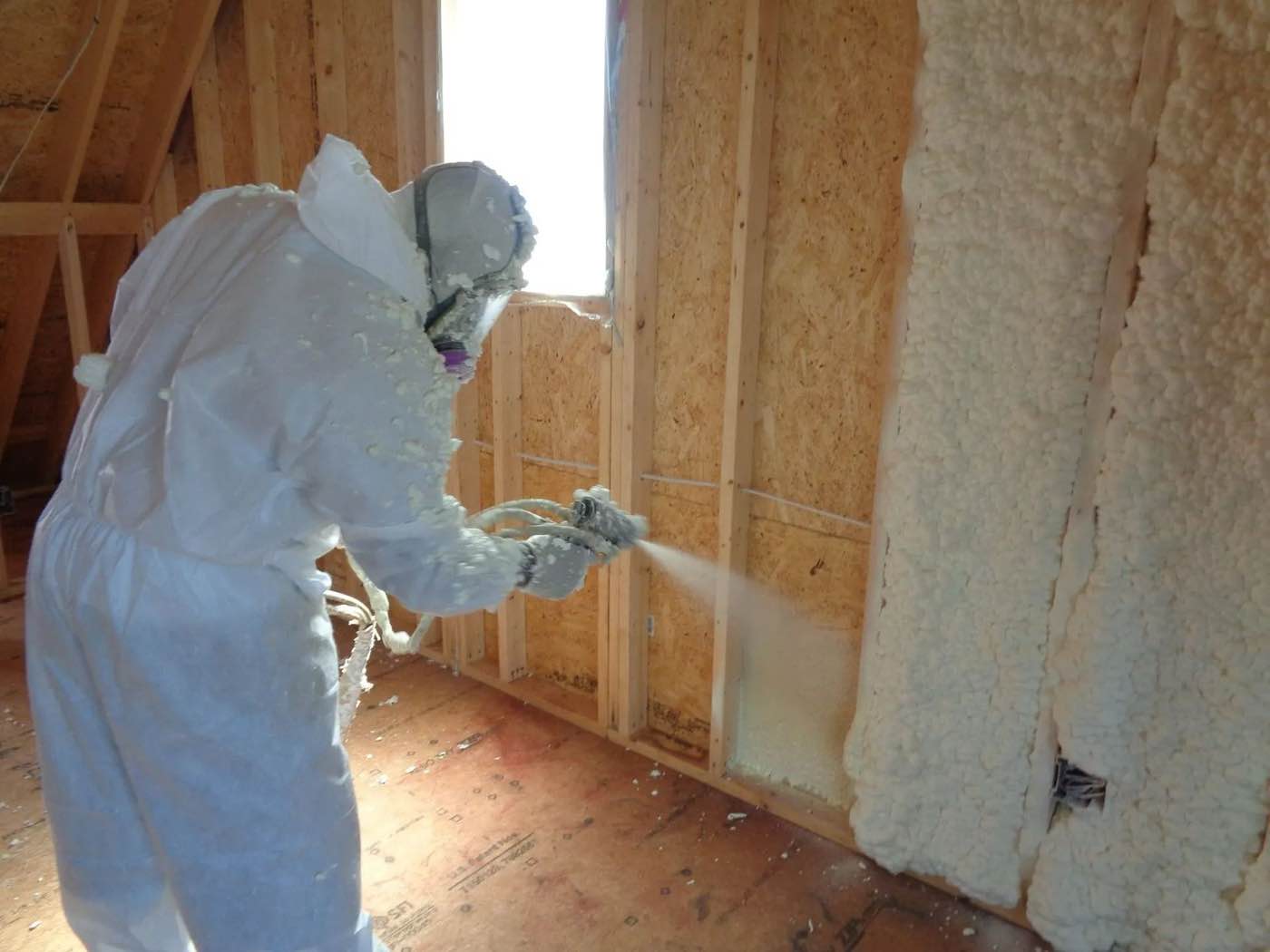
Spray Foam Insulation in New Johnsonville, TN
Spray foam insulation in New Johnsonville, TN on Kentucky Lake. Attics, crawl spaces and metal buildings in a town built from 1949 on. Call (615) 492-9376.
New Johnsonville sits about 37 miles from our shop in Burns, on the north side of Humphreys County.
Call (615) 492-9376 or request an estimate.
What We Find Inside New Johnsonville Homes
New Johnsonville is an unusual town for an insulation contractor, because the whole place has a known birthday.
The original Johnsonville stood on the Tennessee River about 3 miles downstream. In 1944 the Tennessee Valley Authority finished Kentucky Dam, the river backed up, and the old town went under what is now Kentucky Lake. The residents moved uphill to the current site, and New Johnsonville was incorporated in 1949.
That history fixes the age of the housing stock with unusual precision. Almost nothing here is older than 1949, and a large share of it was built in the decades right after, when the town was growing around the Johnsonville Fossil Plant. That plant ran from 1951 to 2017, and its successor, the Johnsonville Combustion Turbine Plant, still generates power and supplies steam to the Chemours plant next door.
A mid-century house in this town is its own kind of job. Most were built over vented crawl spaces with little or no insulation under the floor and nothing at the rim joist. The attic, if it was insulated at all, got a thin layer that has been sitting there for sixty or seventy years, compressed and settled. The walls were rarely touched.
Then there is the water. The town sits on the east side of Kentucky Lake, and the humidity that comes off a reservoir that size is a real factor under a house. A vented crawl space a short distance from the shoreline pulls damp air through itself all summer. That moisture condenses on the cool side of the floor system, and over decades it shows up as cupped hardwood, musty smells and insulation that has sagged off the floor joists and is lying on the ground.
The same industrial character means plenty of metal shops and outbuildings, and bare steel in a humid Tennessee summer sweats. That is a spray foam job too.
Closed-Cell Against the Lake Air, Open-Cell in the Roof
Closed-cell foam goes on dense and rigid. It carries a higher R-value per inch than open-cell, it blocks water vapour rather than passing it, and it stiffens whatever it is sprayed to. Under a floor near Kentucky Lake, vapour control is the whole point, so closed-cell at the rim joist and across the crawl space is the correct product.
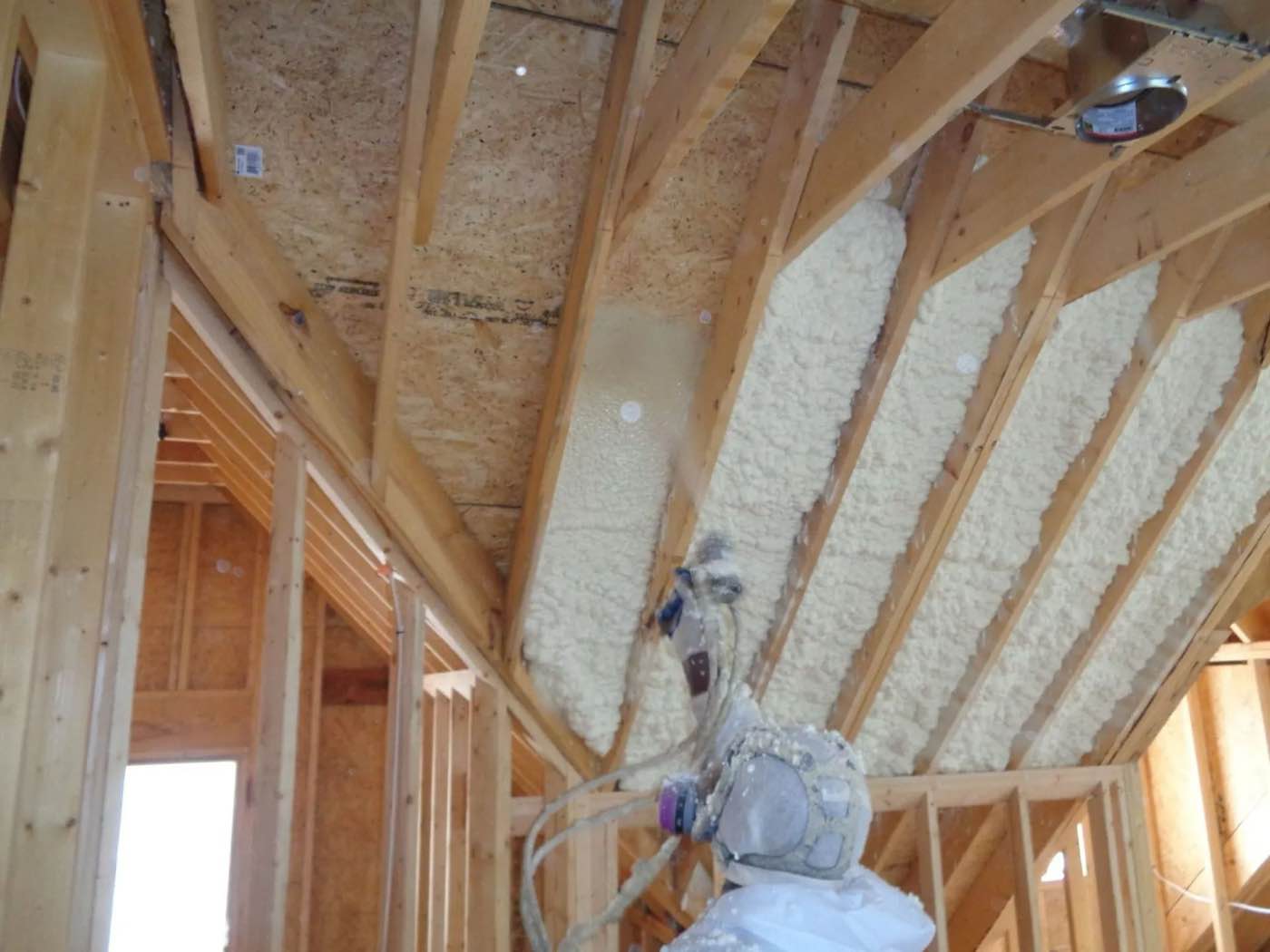
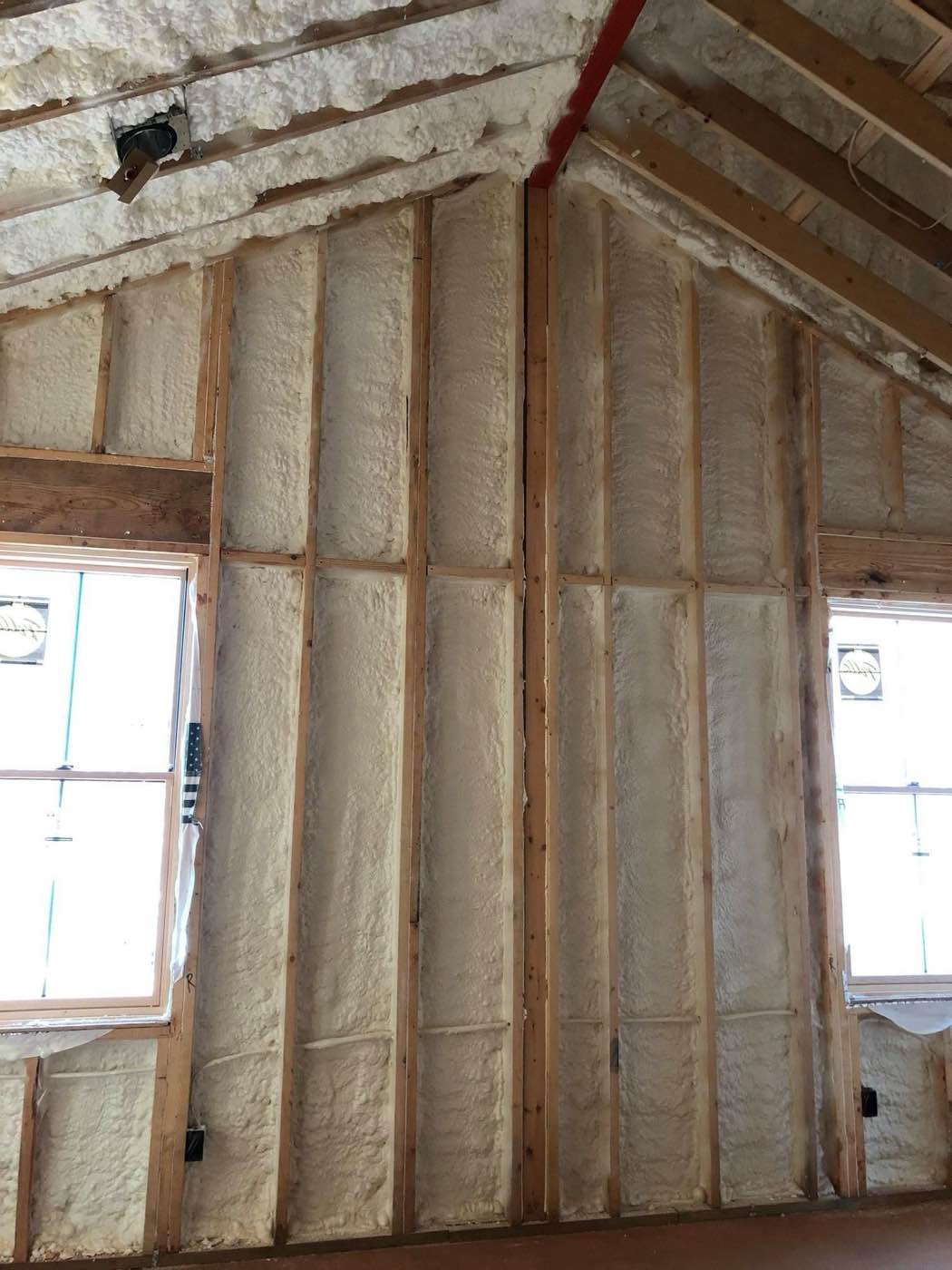
Open-cell foam is softer and expands further for the material used. It does not manage vapour the same way, so it stays out of crawl spaces, but it works well on the attic plane and inside walls where the job is air sealing and sound rather than moisture.
Most houses here take both. We pick per assembly, and where the less expensive product is the right one, we say so.
Where It Pays Off First in New Johnsonville
- The crawl space and rim joist. On a mid-century house near the lake this is nearly always first. One step fixes cold floors, damp smells and the sagging fibreglass at the same time.
- The attic plane. Seventy-year-old attic insulation is usually past the point where adding more loose fill helps. Air seal the plane first.
- Homes built in the 1950s and 1960s. If the house went up in the town's first decades and has never been touched, the floor and the rim are the highest-value work available.
- Metal shops and outbuildings. Closed-cell stops the condensation instead of letting it drip on whatever is stored inside.
- Additions and enclosed porches. Later add-ons are commonly the least insulated part of the house and the easiest to reach from below.
Why the Installer Matters More Than the Product
Spray foam is manufactured on site, in the moment. Two liquids have to meet at the right temperature and the right ratio at the gun, and the pass thickness has to suit the surface it lands on. Miss any of that and the foam does not cure properly, or it shrinks back off the framing within a season.
Foam that failed does not get patched. It gets cut out by hand, which is slow and unpleasant, and then the job starts over. That is the practical argument for a crew that sprays every working day.
Serving New Johnsonville and Humphreys County
The shop is 2715 Church St Ste B, Burns, TN 37029. Humphreys County is part of our normal working radius, not a special trip. Nearby towns on our regular run include Waverly, about 11 miles northeast, Holladay, about 14 miles, Bruceton, about 16 miles, and McEwen, about 20 miles.
You can also look at our residential spray foam work, our crawl space encapsulation service, or the full service area.
New Johnsonville Insulation FAQs
Get Your Free Estimate
Free to ask, free to think about.
Call (615) 492-9376 or request an estimate. We will tell you what we would do, what we would leave alone, and what it is worth doing first.