
Insulation in Palmyra, TN
Insulation contractor serving Palmyra and Montgomery County, TN. Crawl spaces on karst ground, attics, spray foam, blown-in and batts. Call (615) 492-9376.
Palmyra is about 28.3 miles from our shop in Burns, out in Montgomery County near the Cumberland River. It is a run we plan for, and we schedule Palmyra jobs so the drive works for everyone.
Call (615) 492-9376 or request an estimate.
What Palmyra's Ground Does to a Building
Palmyra is an unincorporated community, and the land around it explains most of what we find under its buildings. Montgomery County lies in a region of well-developed karst topography, limestone that water has been dissolving for a very long time. Dunbar Cave is the known example, and Cooper Creek Cave shows extensive evidence of mining, with the remains of many saltpeter hoppers, probably worked during the War of 1812. The Cumberland River meanders westward through the lower central part of the county, and the terrain away from the river is hilly, marked by drainages and largely covered with trees.
Karst matters to an insulation contractor for one reason: the ground moves water. On limestone terrain, rain does not just run off the surface. It drops into the rock and travels, and it comes back out where the geology decides, not where the builder hoped. We see crawl spaces around Palmyra that are dry for months and then take water after heavy rain, fed through the ground rather than over it. A hillside home on a shaded, tree covered lot holds damp air under the floor for most of the year.
The community itself is old. In late January 1863, Confederate Major General Joseph Wheeler took position on the Cumberland River here, and when the Union stopped sending ships up or down the river, Wheeler was forced to attack Fort Donelson with his cavalry division. Buildings in and around Palmyra range across every era since, and the older ones were put up long before anyone thought about ground vapour. None of that makes them bad buildings. It just means the insulation plan has to start with the ground, not the attic.
Working on Karst Ground
On Palmyra jobs we look at the crawl space before we look at anything else, and we are honest about what we find. If water comes through the ground after rain, that has to be managed before insulation goes in, because insulation over a wet space traps the moisture against the structure.
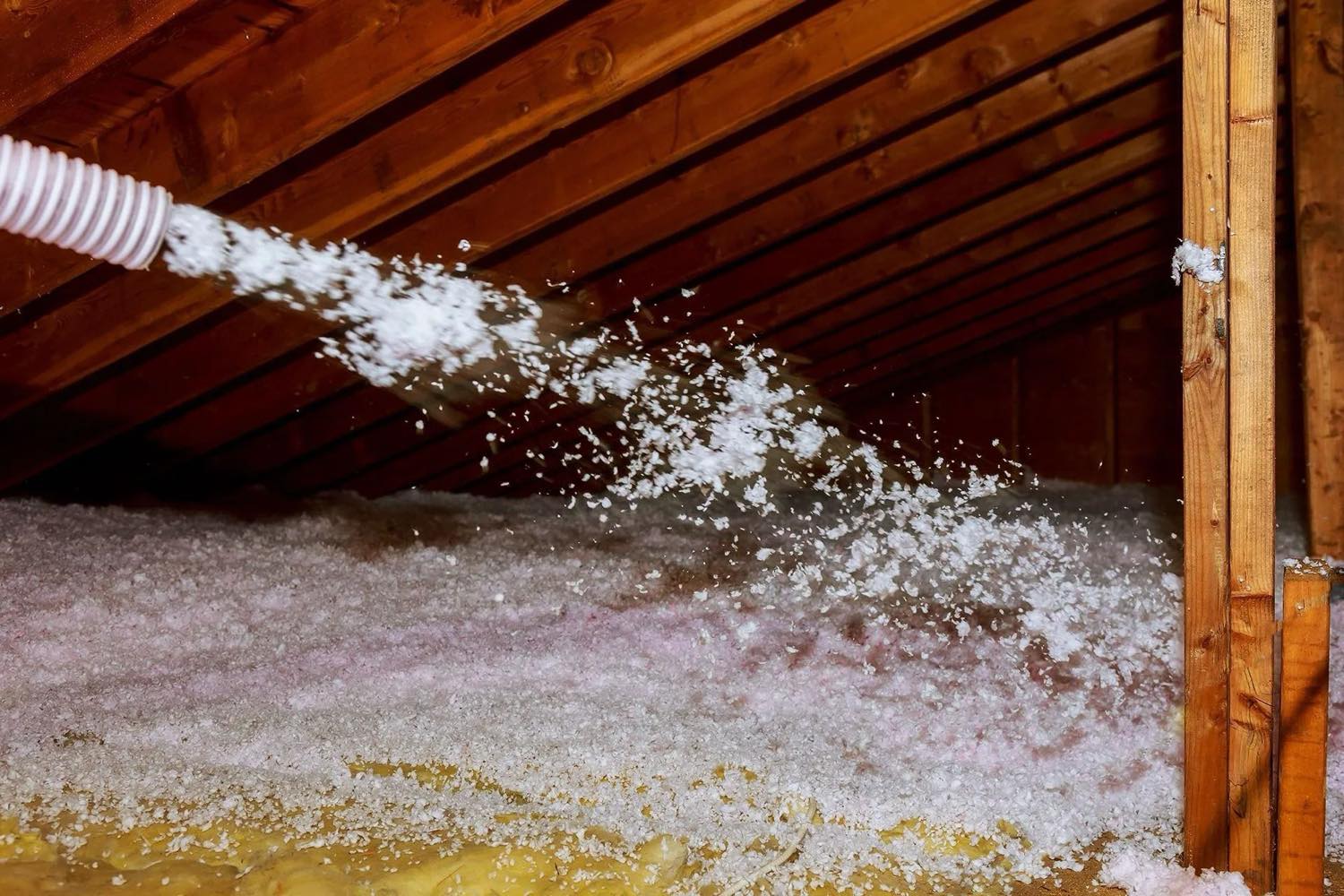
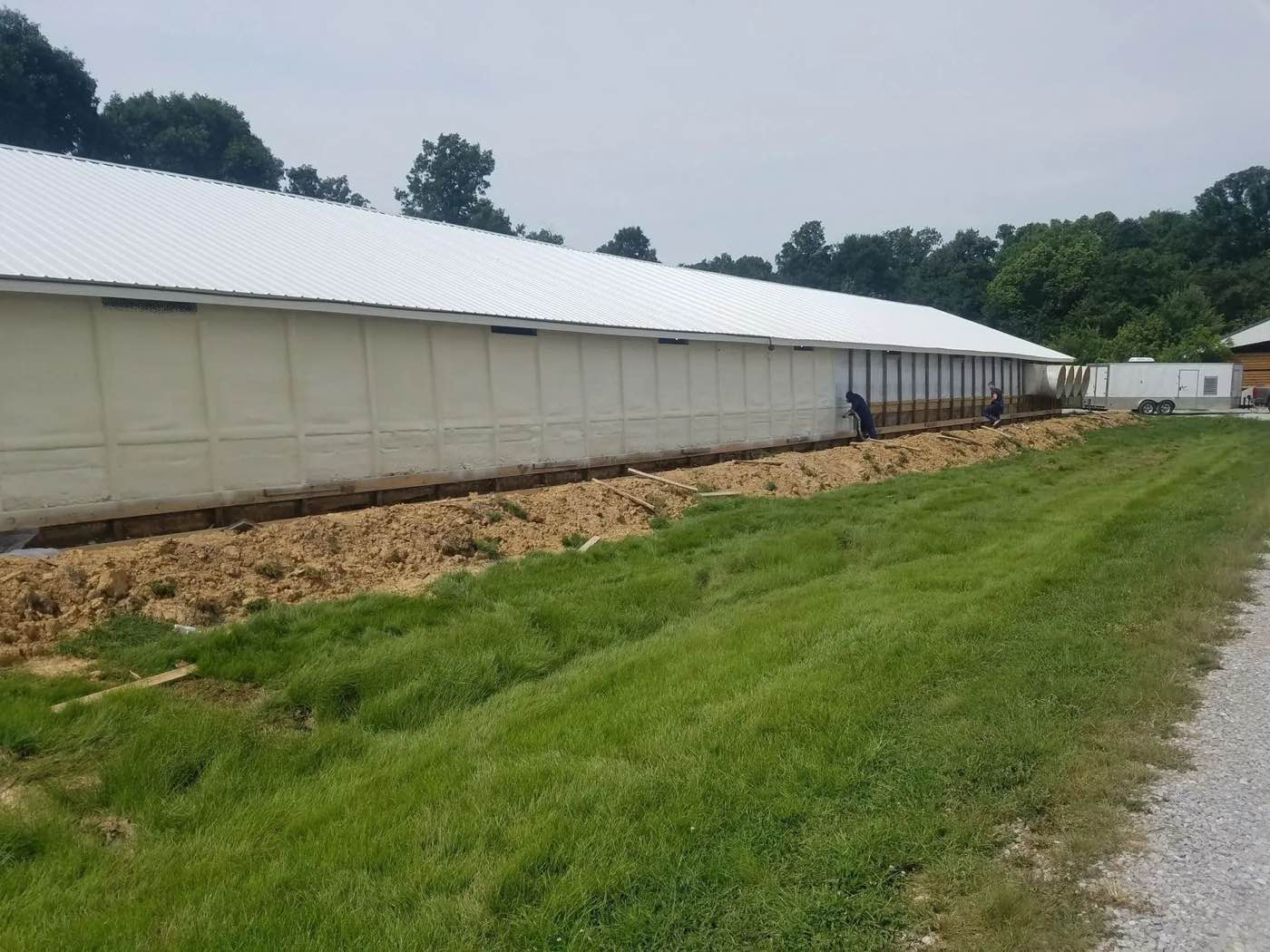
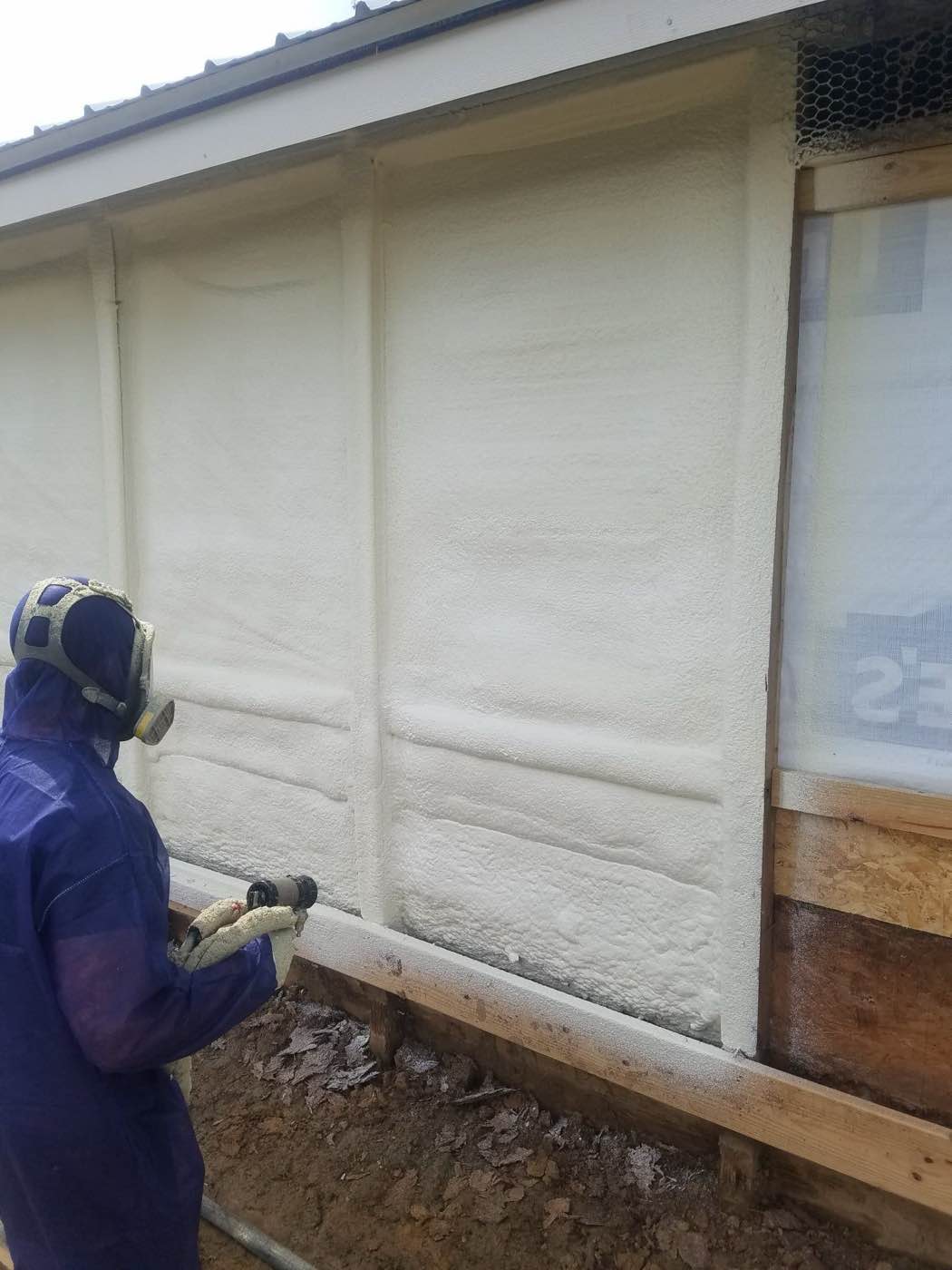
Once the water is managed, closed-cell spray foam on the crawl space walls and rim is the right tool here, because it does not absorb moisture and it does not pass vapour. Where the space needs full treatment, we scope a crawl space encapsulation in writing. Above that, the work is conventional: attic air sealing and blown-in insulation, with fibreglass batt insulation in open framed cavities.
Where It Pays Off First in Palmyra
- The crawl space. On karst ground near the Cumberland, ground moisture is the first problem in most buildings here.
- The rim joist. Older rural homes almost always have an unsealed rim, and it leaks air all year.
- The attic plane. Air sealing first, then depth. That order matters more than the product.
- Hillside and shaded lots. Tree covered ground stays damp longer. These crawl spaces need the most attention.
- Outbuildings and shops. Rural Montgomery County properties have them, and bare metal sweats.
Why We Insist on Looking Before Quoting
On terrain like this, no honest contractor quotes a crawl space blind. Two houses a mile apart can have completely different moisture conditions because the rock underneath them is different. A quote written from a phone call is a guess.
We come out, go into the space, and tell you what we actually found. If the building does not need the work, we say that too. The written estimate explains the condition, the proposal and the reasoning, so you can check it against anyone else's.
Serving Palmyra and Montgomery County
We work from 2715 Church St Ste B, Burns, TN 37029, and Montgomery County is on our regular run. Nearby communities we also serve include Erin, about 14.5 miles away, Oak Grove, KY, about 15.7 miles, Tennessee Ridge, about 17.4 miles, and Lafayette, KY, about 18.1 miles.
See the full area on our service area page.
Palmyra Insulation FAQs
Get Your Free Estimate
No charge for the visit and no obligation afterwards.
Call (615) 492-9376 or request an estimate. We look at the real conditions, explain the options in plain terms, and leave you a written price.