
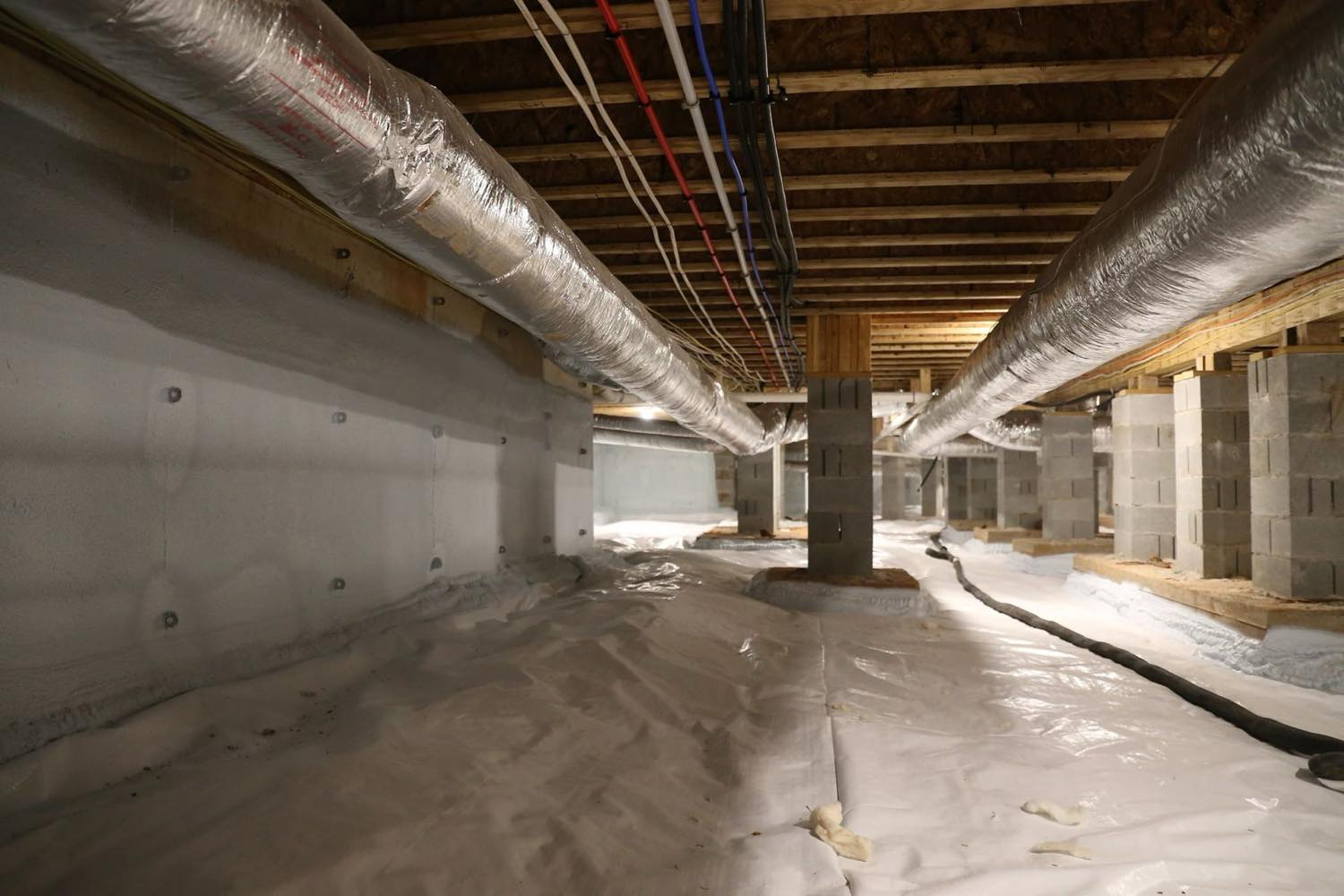
Crawl Space Encapsulation in Palmyra, TN
Crawl space encapsulation in Palmyra, TN. Liners, sealed vents, drainage and dehumidification for karst ground near the Cumberland. Call (615) 492-9376.
Palmyra is roughly 28.3 miles from our shop in Burns, out in the rural stretch of Montgomery County along the Cumberland River. It is unincorporated country, and it is well inside the territory we cover every week.
Call (615) 492-9376 or request an estimate.
What the Ground Does Under Palmyra Houses
If you want to understand crawl space problems around Palmyra, start with the rock, not the houses.
Montgomery County sits in a region of well-developed karst topography. Karst means the bedrock is limestone that water has been dissolving for a very long time. Water does not sit on top of karst ground the way it does on clay. It moves through it. It finds seams, follows them underground, and comes back up where the pressure and the slope decide it will.
For a crawl space, that means water can appear in places that have no obvious source. We see it around Palmyra: a space that is dry for months, then wet after a run of heavy rain, fed by ground water moving through the limestone rather than by any leak or gutter failure.
The Cumberland meanders westward through the lower central part of the county, and Palmyra has sat near its banks since long before there was much building code to speak of. Major General Joseph Wheeler took position on the Cumberland here in late January 1863, and the Union responded by refusing to send ships up or down the river at all. A settlement old enough to matter in 1863 has building stock to match, and older rural houses around here were typically raised on piers or shallow foundations with open or loosely vented crawl spaces.
Add the terrain, hilly and heavily wooded, cut by drainages between the ridges, and you get the pattern. Houses on sloped ground near a drainage. Humid river air in summer. Ground that moves water through it in ways you cannot see from the surface. That combination is hard on floor systems, and it is exactly what encapsulation is built to handle.
The Four Pieces of a Proper Encapsulation
A crawl space encapsulation is a system, and it only works as one.
The liner. A heavy reinforced vapour barrier covers the whole crawl space floor, runs up the foundation walls and wraps every pier. Seams are taped, edges are sealed to the wall. This stops the ground from breathing moisture up into your floor framing, and on karst ground the ground is always breathing.
Sealed vents and rim. The foundation vents get closed and sealed permanently, and the rim joist gets air sealed. Vents were supposed to dry a crawl space. In a Cumberland River summer they do the opposite, pulling warm wet air into the coolest space under your house, where it condenses.
Drainage and sump where needed. This is the piece that matters most around Palmyra. If ground water is moving into the space, and on karst it often is, we put a perimeter drain and a sump pump in before the liner goes down. The liner then sits over a managed water path instead of over a pond.
Dehumidification. Once the space is sealed, a crawl space dehumidifier keeps the air dry through the humid months. Sealed without conditioning, a crawl space is just a closed box. Sealed and dehumidified, it stays dry year round.
Where Encapsulation Earns Its Keep Around Palmyra
- Houses near the river bottoms. Humidity off the Cumberland keeps vented crawl spaces damp for months at a stretch. Sealing and drying the space cuts the supply.
- Crawl spaces that flood after heavy rain. On karst ground this is ground water, not a leak. Drainage and a sump under the liner is the durable answer.
- Older pier and shallow-foundation homes. The floor framing on these has been exposed to damp air for decades. The sooner it is dried out, the less repair it needs later.
- Homes on sloped, wooded lots. Drainages move surface water toward low ground, and low ground is often where the house sits. A liner and drain handle what the slope sends you.
- Musty smells and cupped floors indoors. Both usually trace back to the crawl space. Fix the space and the house follows.
A Word on Doing It Right
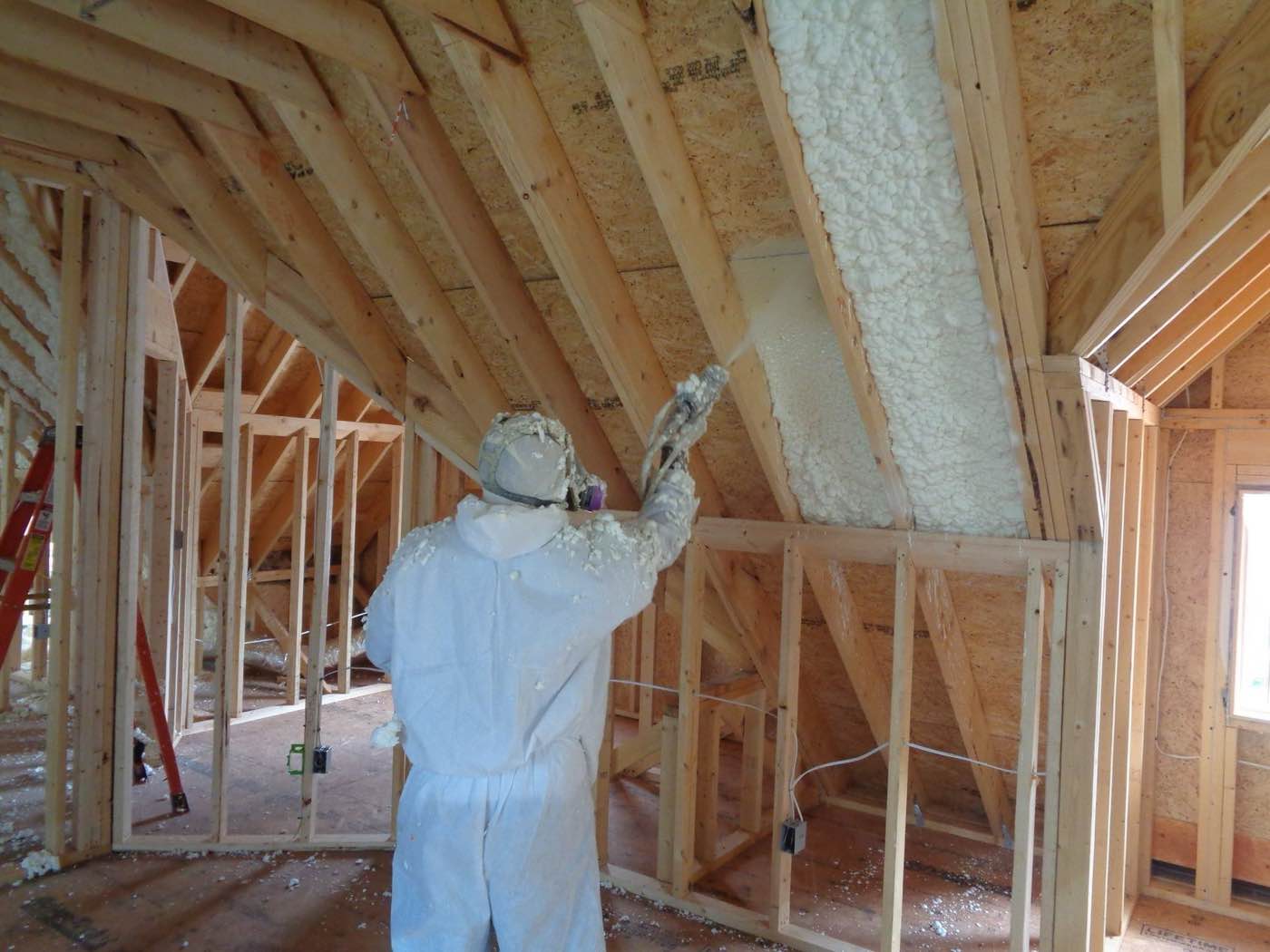
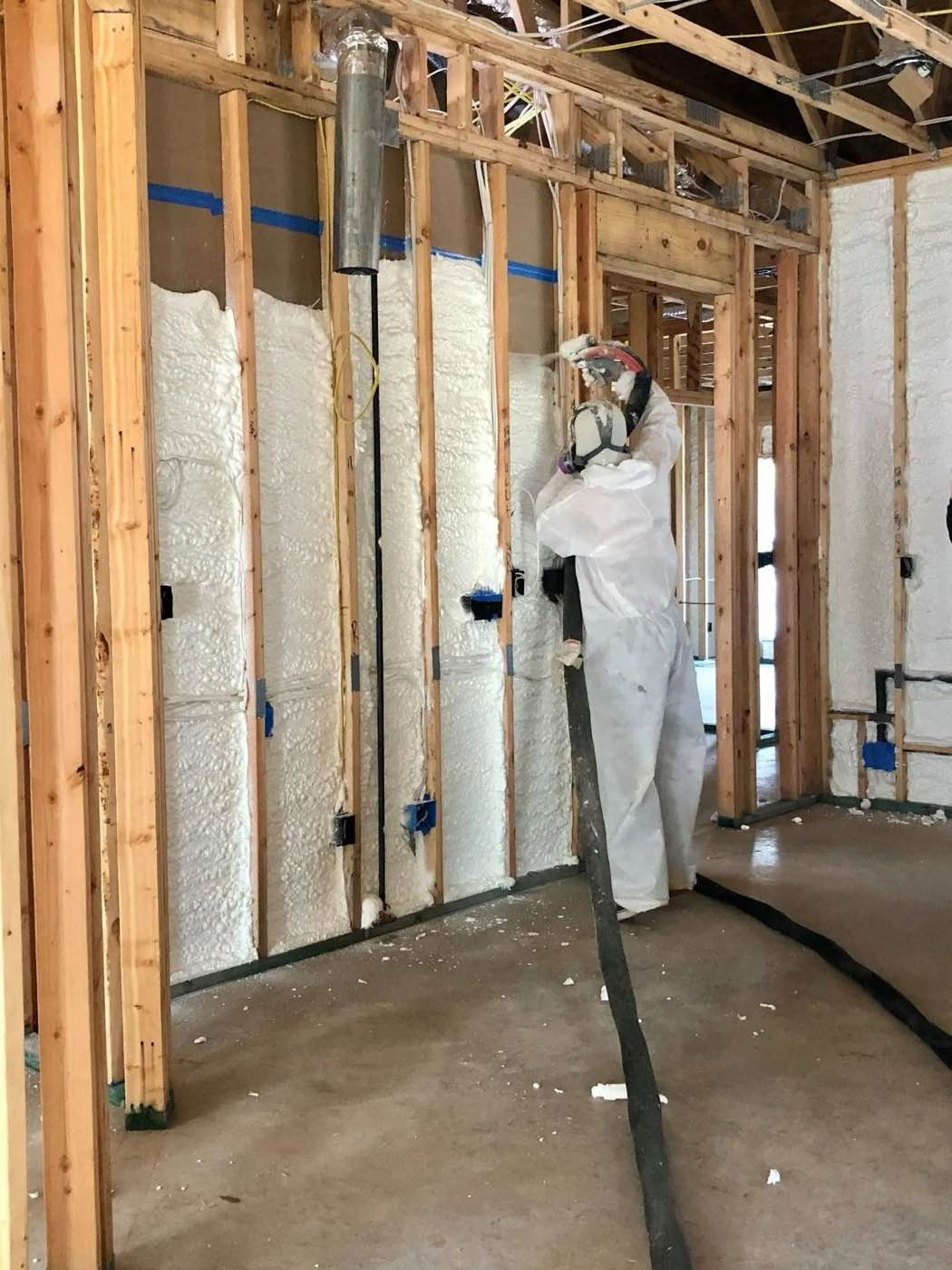
The difference between an encapsulation that lasts and one that disappoints is almost never the liner material. It is the prep and the sequence. The space has to be cleaned out, old fallen fibreglass removed, and any drainage problem solved before the first roll of liner is cut.
We treat the crawl space as part of the house, because it is. The air under your floor ends up in your rooms. That is the reasoning behind our whole crawl space encapsulation approach, and it is why we look at the building before we quote it.
Serving Palmyra and Montgomery County
The shop is 2715 Church St Ste B, Burns, TN 37029. Montgomery County is part of our normal working radius, not a special trip. Nearby communities we also serve include Erin, about 14.5 miles away, Oak Grove, about 15.7 miles north in Kentucky, Tennessee Ridge, about 17.4 miles, and Lafayette, about 18.1 miles.
Palmyra Insulation FAQs
Get Your Free Estimate
The visit costs you nothing and commits you to nothing.
Call (615) 492-9376 or request an estimate. We walk the building with you, explain what we would do and why, and put it in writing.